

About the people
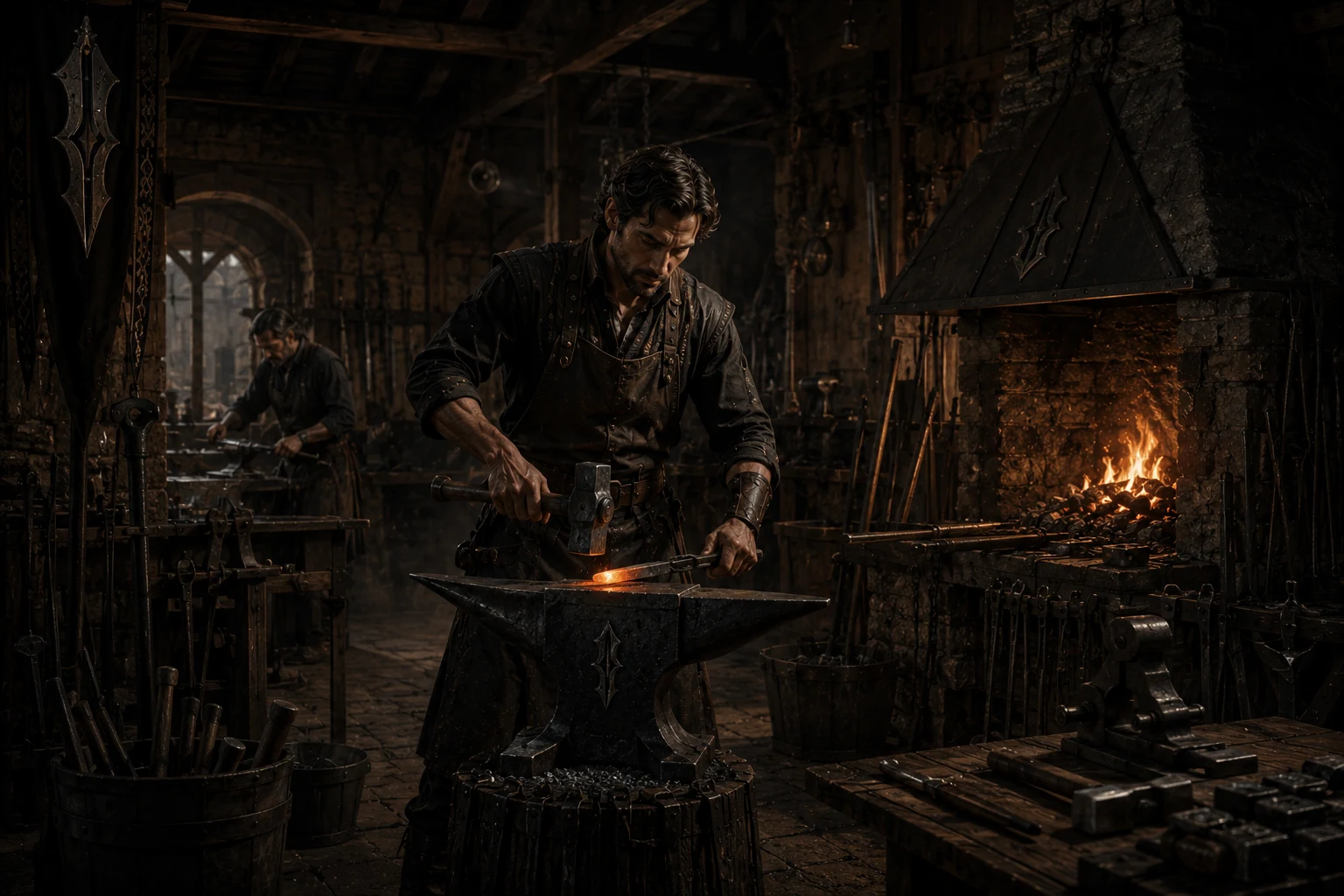
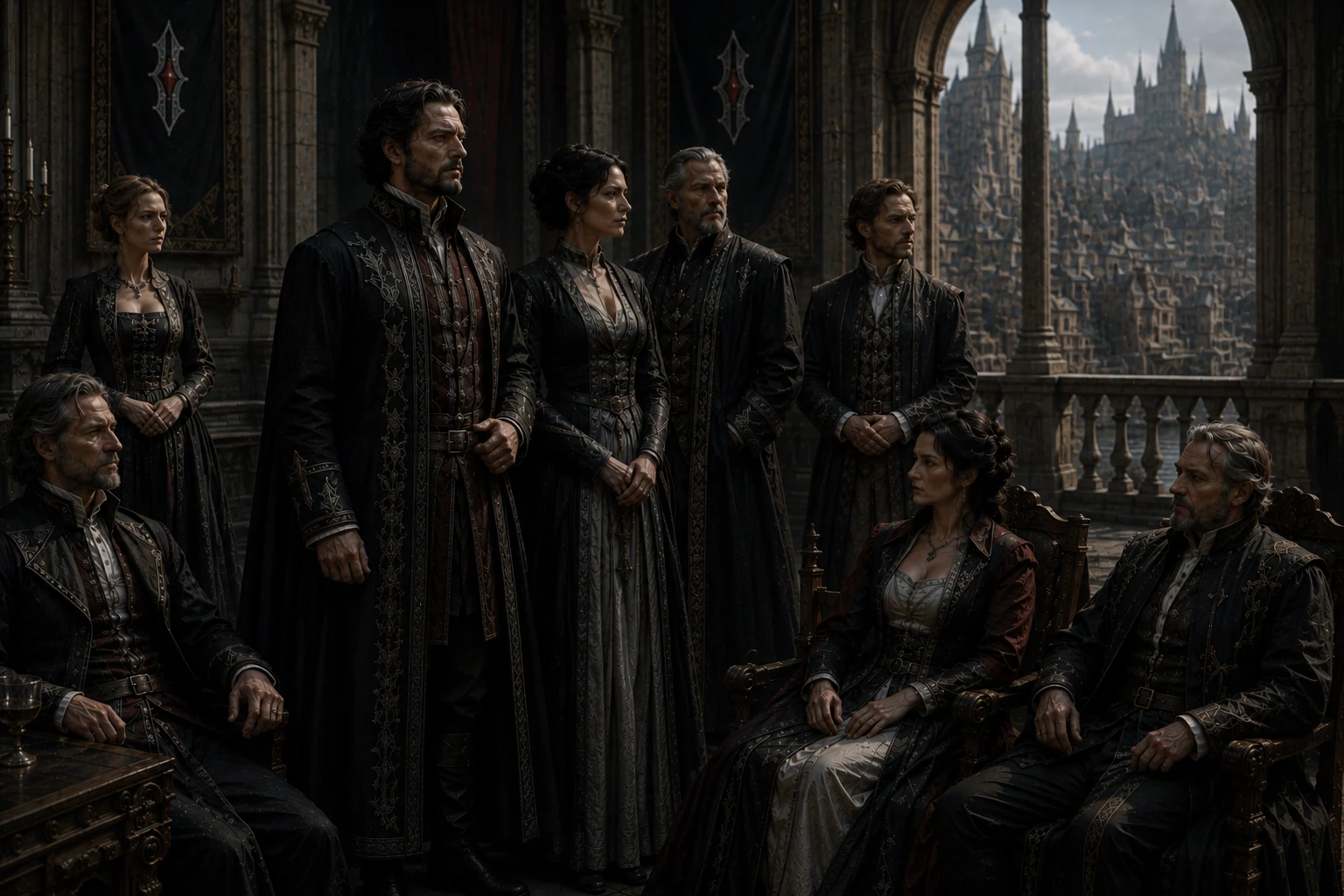
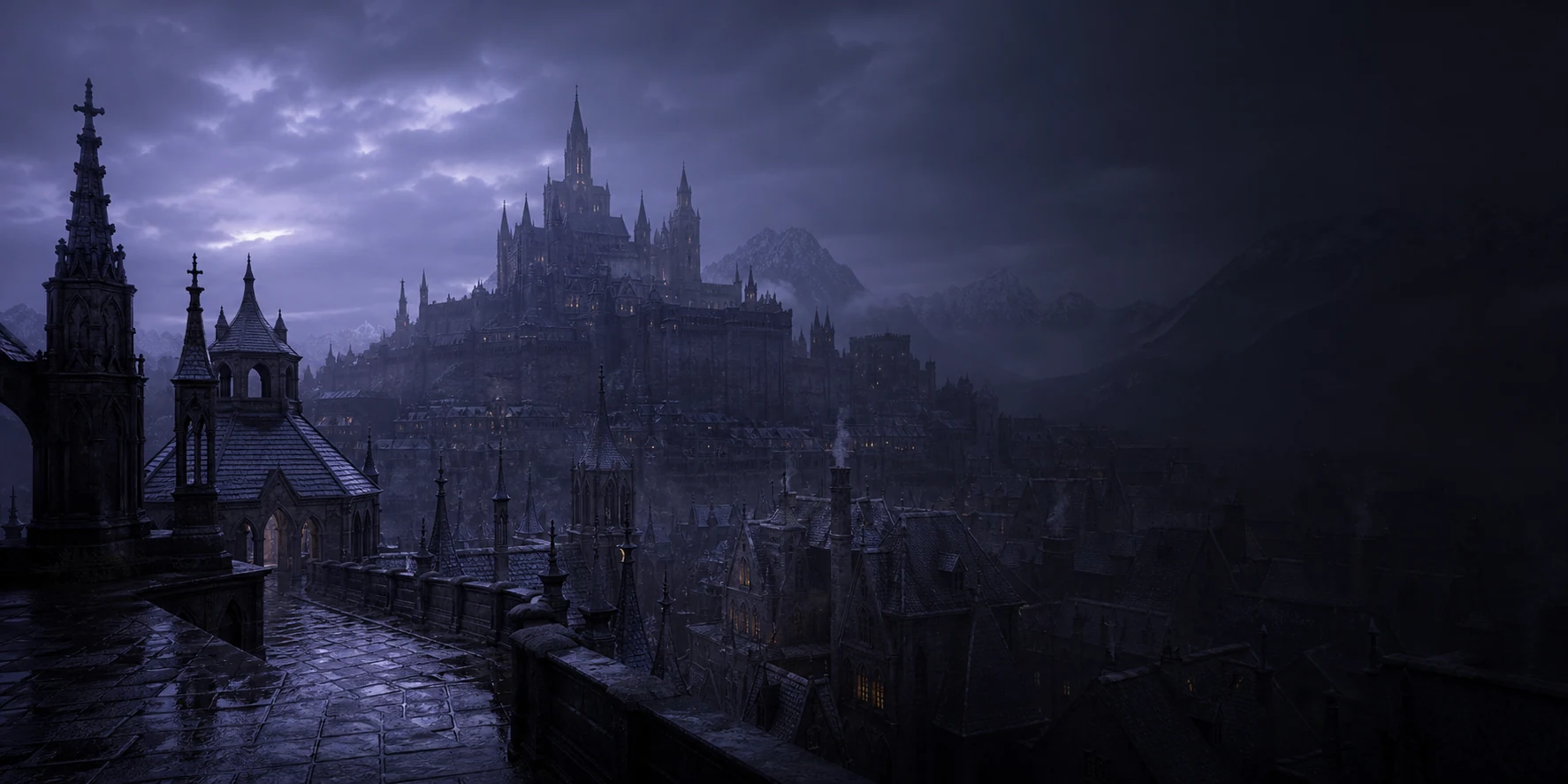
Krestians live in cities, estates, and villages. Among them are noble families, artisans, merchants, officials, soldiers, and farmers. Noble houses own land and take part in the affairs of the crown, while most people work in crafts, public service, trade, or agriculture.
Together they form an estate-based society in which every class depends on the others. The crown relies on the nobility and the civil service, cities thrive on crafts and trade, while estates and villages supply the country with food and essential goods.
Daily life and customs
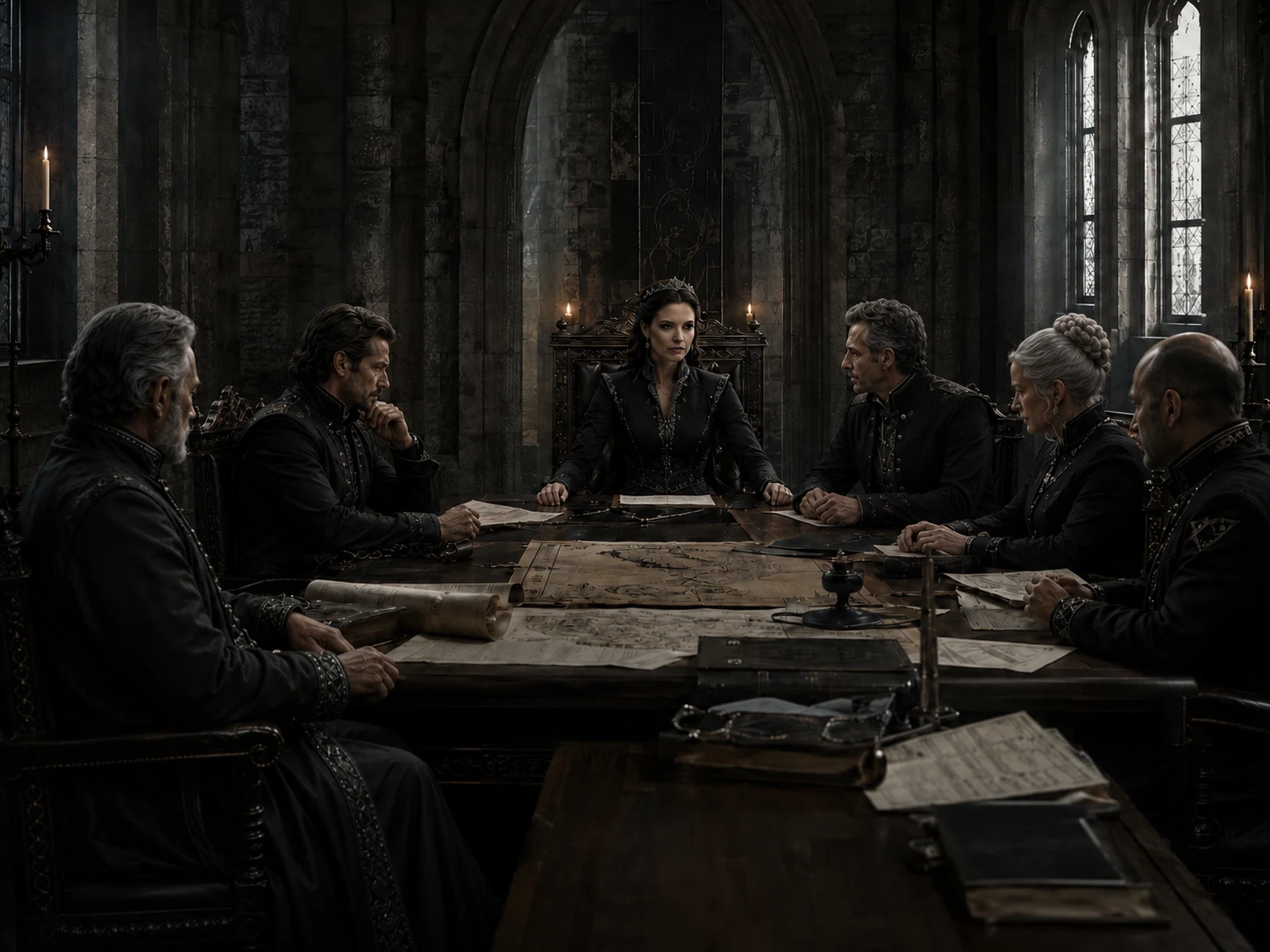
The lives of Krestians largely depend on their family's standing. Noble houses own and manage lands and estates and serve the crown. At the court of Emeria Krast, their representatives seek seats on the Krestian Council, forge alliances, and weave intrigues. The queen keeps her subjects under strict control and allows no house to rise above the crown.
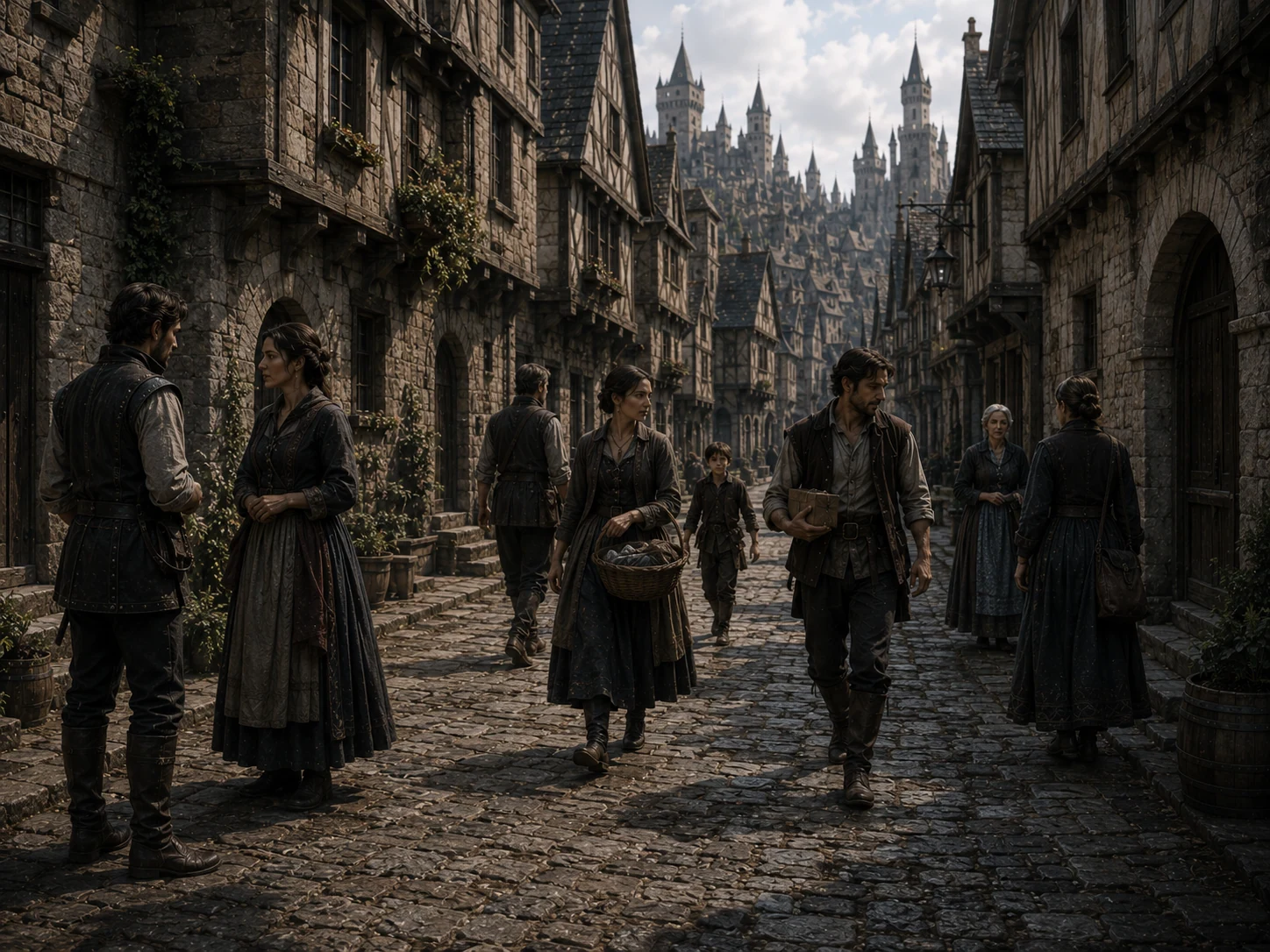
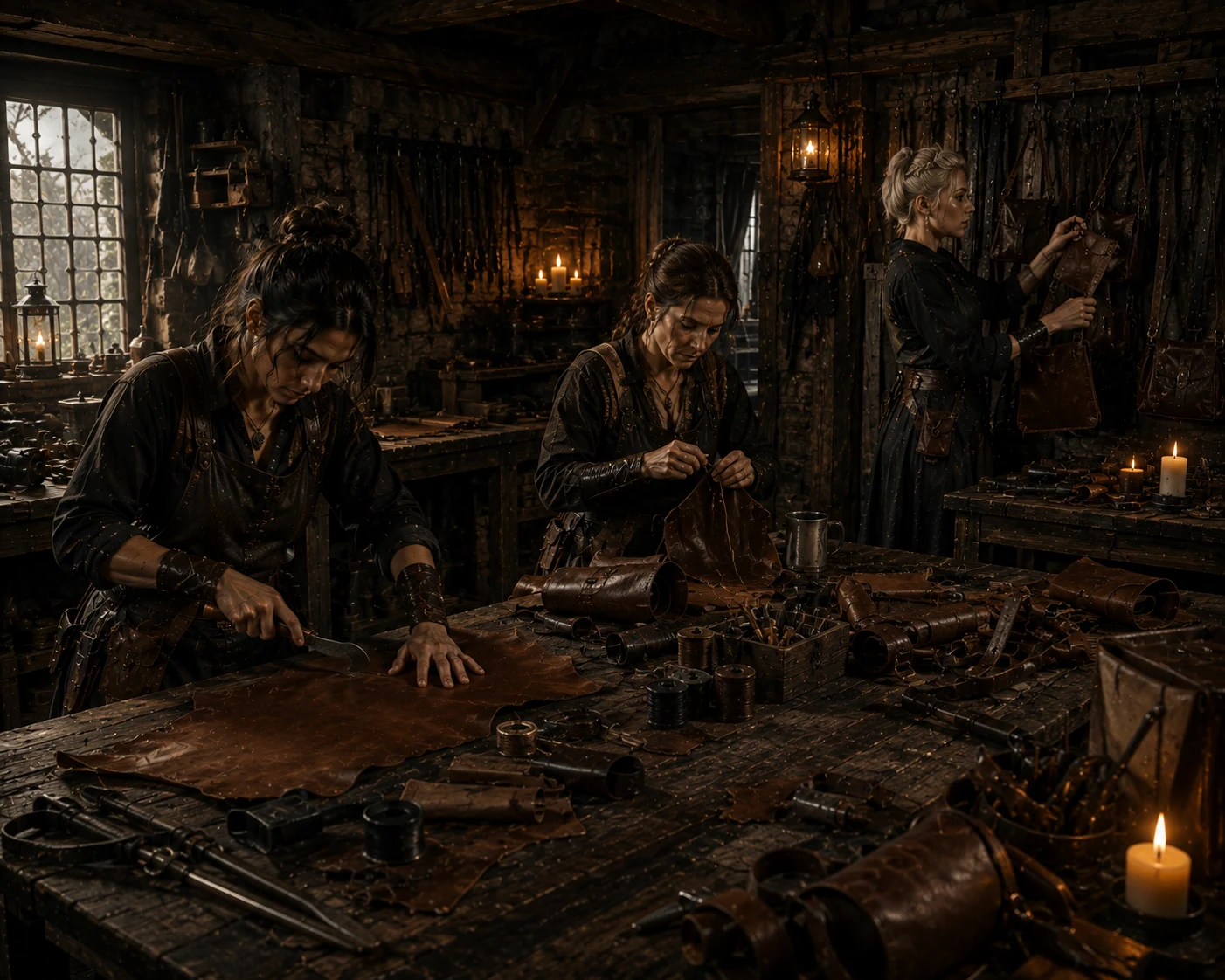
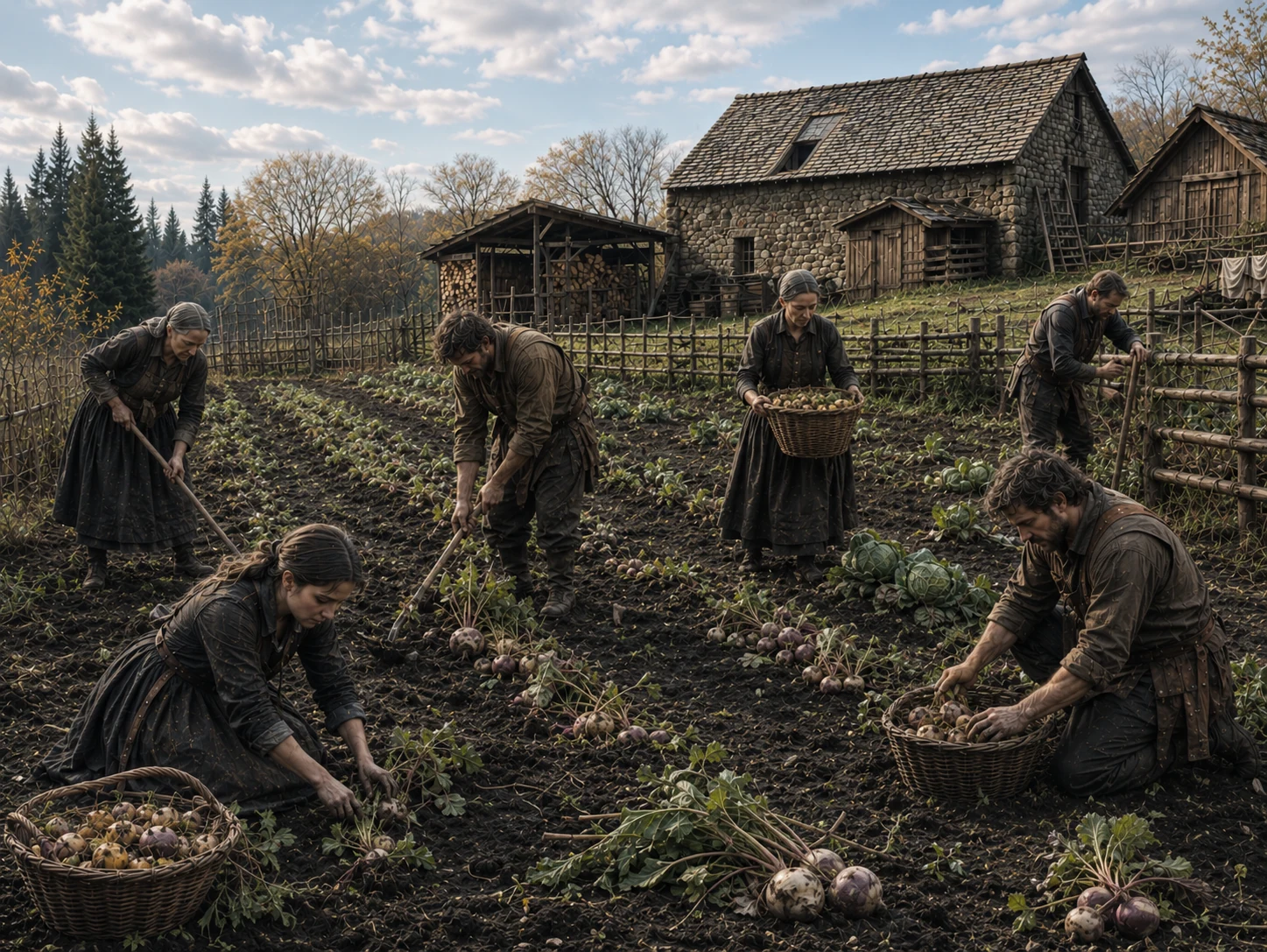
Artisans, merchants, officials, and soldiers live in the cities. Workshops provide residents with everything they need, while shops and trading houses connect the cities with estates and villages. Rural inhabitants cultivate the land, raise livestock, and manage their households.
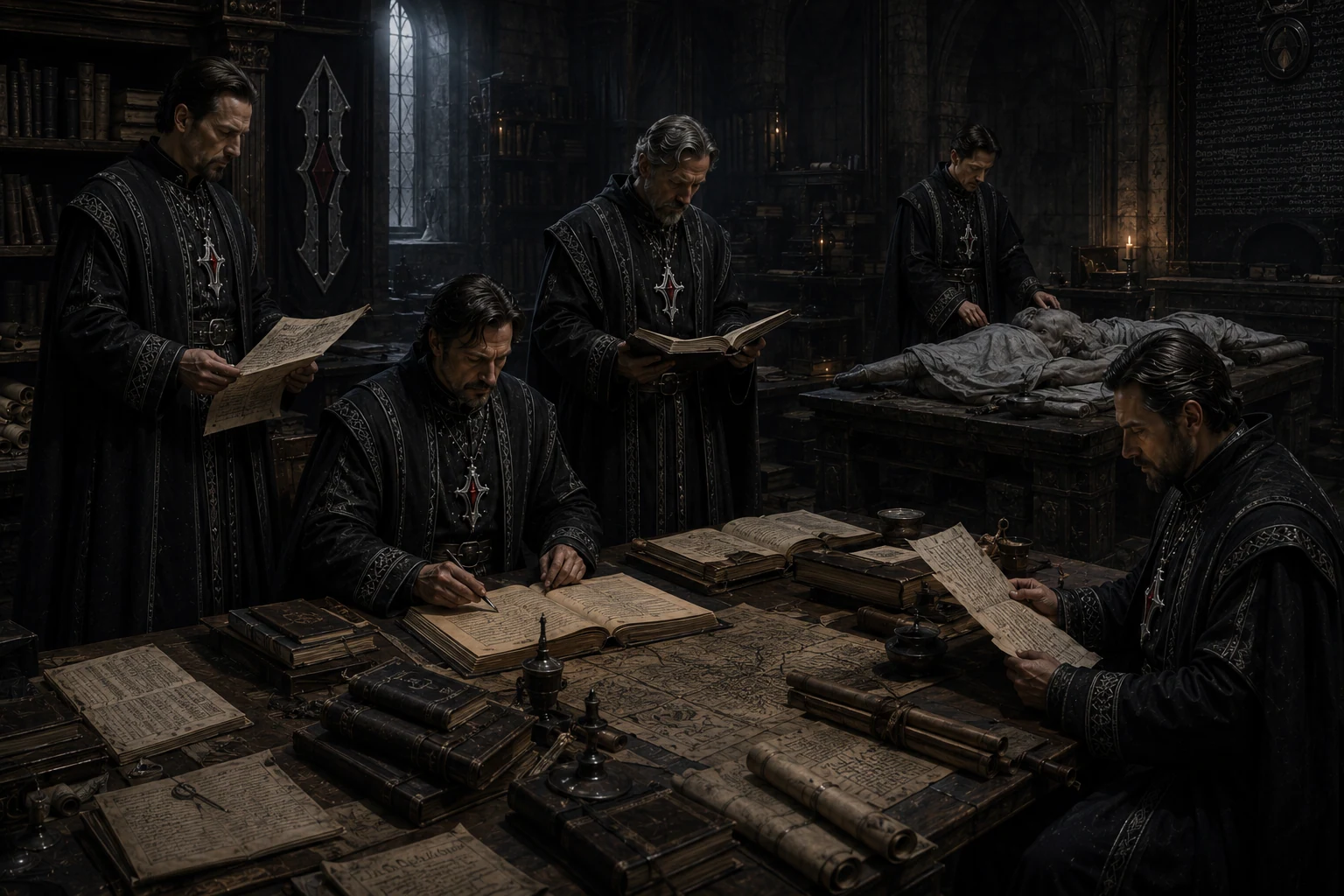
The clergy hold a special place. Their ministers perform funeral rites, keep records of the dead, and preserve old books and documents. Because of Krestia's proximity to Kimor, these duties are treated with particular seriousness. The clergy ensure that the fallen are not left without rites and investigate cases involving restless dead.